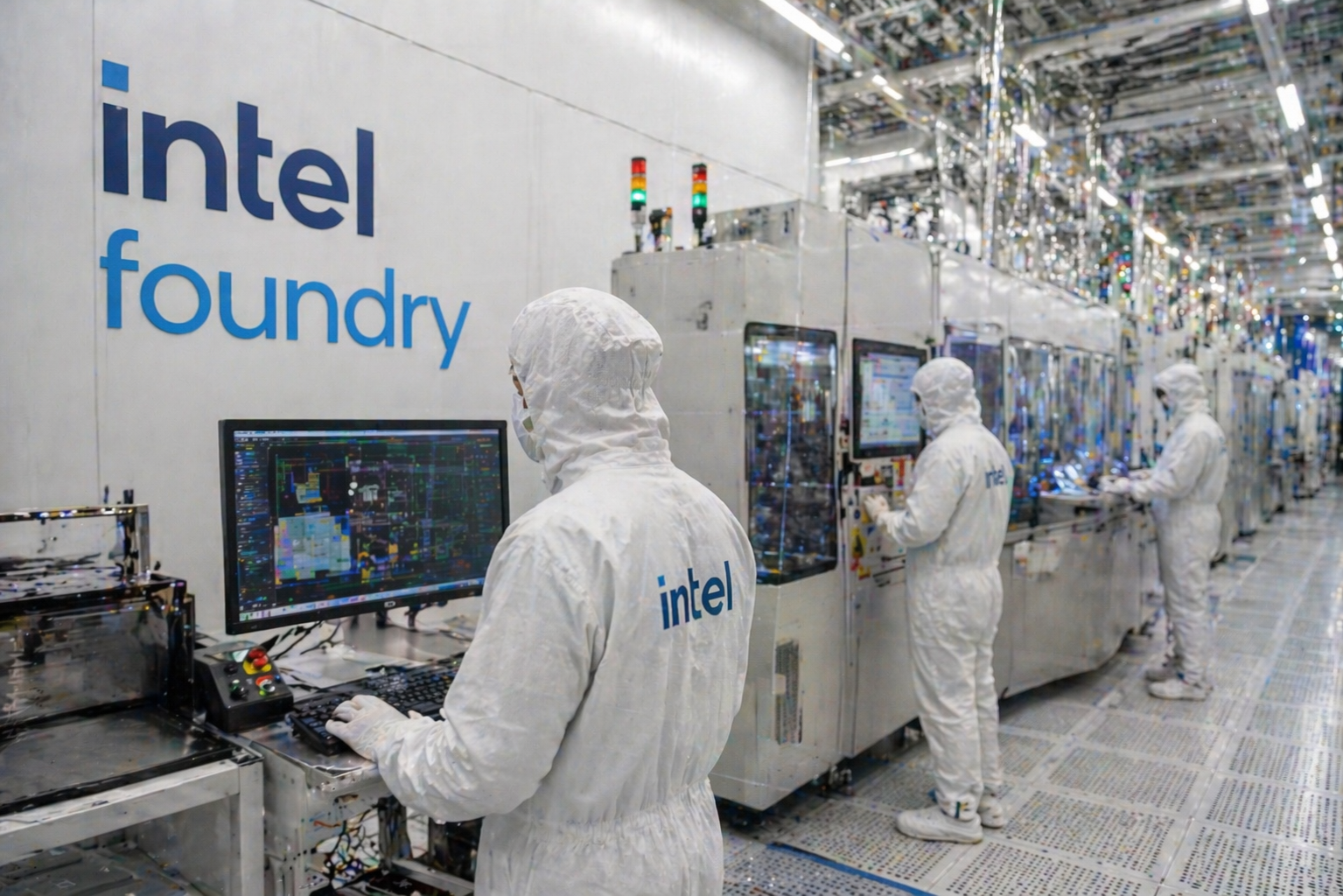
Intel stock (INTC) tumbled more than 6% on Tuesday as a broad technology selloff swept through markets, interrupting one of the strongest rallies in the semiconductor sector this year.
The decline came as investors appeared to reduce exposure to high-flying technology stocks ahead of the first Federal Reserve interest-rate decision under Chair Kevin Warsh.
The Nasdaq Composite fell 0.5%, weighed down by weakness across major technology names.
Advanced Micro Devices declined more than 4%, Broadcom lost over 3%, and Nvidia, Tesla, and Microsoft each fell more than 1%.
Despite the sharp pullback, Intel remains one of the semiconductor sector’s strongest performers in 2026.
The stock has gained more than 200% during the past six months and continues to trade near the upper end of its 52-week range.
Broader market focus turns to Fed meeting
Tuesday’s decline came as a rally that had pushed major indexes toward record highs began to lose momentum.
While most stocks within the S&P 500 traded higher, weakness in large-cap technology shares weighed on the Nasdaq.
At the same time, falling oil prices helped push bond yields lower.
Brent crude briefly dropped below $80 per barrel amid expectations that global energy supplies could increase.
The Dow Jones Industrial Average moved closer to record territory.
BofA turns more bullish on Intel
The latest pullback comes less than a week after Intel received a significant endorsement from Bank of America.
Last Thursday, BofA Securities analyst Vivek Arya upgraded Intel shares to Buy from Underperform, bypassing the firm’s Neutral rating.
Arya also raised his price target to $135 from $96.
In a note to clients, Arya said growing confidence in Intel’s ability to capitalize on opportunities in server central processing units and semiconductor manufacturing services had led the firm to raise its sales and earnings forecasts.
According to BofA, Intel’s server CPU business could generate approximately $40 billion in annual revenue by 2030.
The firm estimates the total addressable market for server CPUs could reach roughly $170 billion by the end of the decade, implying Intel could capture about one-quarter of the market.
Intel’s resurgence has been closely tied to growing investor enthusiasm surrounding server CPUs and their role in artificial intelligence infrastructure.
While graphics processing units remain central to AI model training, many investors increasingly view CPUs as critical components of the expanding AI ecosystem, particularly as agentic AI applications require greater coordination, orchestration, and system management capabilities.
That shift has helped improve sentiment toward Intel after years of lagging competitors in the AI race.
BofA also highlighted Intel’s foundry business as an increasingly important source of future growth.
The segment, which was widely viewed as a major challenge for the company as recently as last year, remains unprofitable but is showing signs of gaining traction with customers.
According to the firm’s analysis, Intel is currently negotiating manufacturing agreements with several major technology companies, including Apple and Elon Musk’s Terafab project.
Institutional ownership remains relatively low
BofA argued that Intel remains under-owned by institutional investors despite its substantial market capitalization.
The firm noted that only 16% of major funds currently hold Intel shares, making it one of the least-owned semiconductor stocks within the S&P 500.
Only Sandisk has lower ownership among major semiconductor companies tracked by the firm.
Institutional ownership increased by approximately 3% from the prior month, but BofA believes there remains significant room for additional investors to establish positions.
The firm said broader ownership could become an important driver of future gains if more fund managers begin adding Intel shares to portfolios.
While the bullish outlook is not without risks—including increased competition from rivals such as Arm Holdings and the possibility of slower AI spending growth—BofA’s rare double upgrade underscored growing confidence that Intel’s turnaround remains intact.
The post Why Intel stock is crashing around 6% on Tuesday appeared first on Invezz